Fragmentation and Defensible Compliance
Epistemic traceability is the unbroken, verifiable chain of evidence, logic, and data structure that proves how a system or organization knows its assertions are true. Maximizing epistemic traceability minimizes epistemic risk.
Disjointed tools do not enable trackability; they cause fragmentation.
When a system possesses industrial-strength epistemic traceability, information is modular and interlocking. This allows machines and human auditors to automatically verify the lineage of a claim, ensuring complete data provenance (knowing exactly where data came from, who moved it, and how it was transformed) from origin to output.
Epistemic traceability shifts an organization from a culture of "trust me, it's correct" to a system of "here is the automated, structured proof that the information is correct."
Traceability and trackability demonstrates control. Traceability and trackability proves compliance. Traceability and trackability provides defensible compliance.
Fragmentation impedes control. Fragmentation impedes proof of compliance. Information scattered across disconnected systems makes compliance more challenging.
When we treat data as isolated words and numbers rather than interconnected, machine-readable concepts, the "line of custody" for that information breaks down. This breakdown requires intervention by a human to manually verify data and facilitate a broken connection; the "copy/paste" which results in what amounts to a "human bucket brigade".
There are different types of fragmentation. Semantic fragmentation occurs when the same real-world concept is defined, captured, or formatted in multiple different ways across various systems, reports, or departments. Instead of having a single, shared understanding of what a piece of data represents, the meaning becomes fractured. To a human, the context might be obvious, but to a machine, the data looks like entirely unrelated pieces of information.
In accounting and information systems, semantic fragmentation is the equivalent of trying to build a complex structure when every department is using a different blueprint, a different language, and a different set of measurements. Imagine ten different accountants representing information within electronic spreadsheets using different terms, using different structures, using different approaches; then you wanted to work with all of them together as a group. Electronic spreadsheets are not scalable because they are not controllable.
Beyond semantic fragmentation, several systemic, structural, and cultural barriers block the path to true epistemic traceability and data provenance in accounting systems.
Epistemic traceability and trackability requires an unbroken digital chain. When data changes physical format or media, the trail is usually severed. When information is transferred using a PDF report or an electronic spreadsheet, traceability becomes problematic. The moment a structured transaction is printed or rendered into a flat PDF report, its underlying metadata and relationships are stripped away. It transforms from a dynamic data point within the context of some database into static "digital ink" that a computer based process has a hard time dealing with.
Relying on disconnected, traditional electronic spreadsheets for mission-critical reporting introduces similar structural gaps. Formulas, cell references, and copy-paste actions lack a native, standardized audit trail. A value in a cell becomes an isolated artifact, divorced from its origin and the logic that created it.
Changing the granularity of information or losing the ability to get to an atomic level of a piece of data because information has been "batched" or aggregated in some way causes fragmentation. If you cannot get to the original level of the information it is impossible to track information lineage.
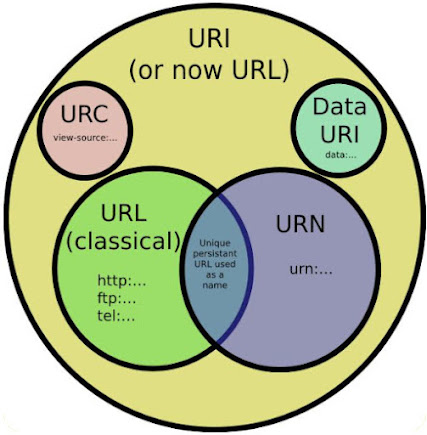
Lack of standard persistent identifiers for information which has the identifiers mapped to a standard common vocabulary organized into a standard enterprise taxonomy causes data to be isolated and therefore not addressable because you have lost the "chain of custody" and important information is lost in translation.
Without a standardized, modular, global "Lego block" type of approach to data components, tracking the provenance of a single aggregated figure requires digging through layers of unstandardized sub-ledgers.
Disconnected processes and lack of structural bridges between those disconnected processes cause fragmentation. A major inhibitor is the failure to properly bridge abstract frameworks such as accounting standards and regulatory compliance rules with the operational processes that execute them.
Black-box ETL transformations cause fragmentation. When data moves through ETL (Extract, Transform, Load) pipelines or proprietary software scripts without a standardized structural map, the logic of how and why data was altered is hidden. The process executes, but the structural rationale is lost to any down stream user of that data.
Proprietary, closed ERP systems and accounting software often store data in closed, non-standard schemas. Interoperability between these systems usually relies on custom-built, brittle APIs. Every custom integration point is a high-risk zone for losing metadata and lineage context causing fragmentation.
Inter-organizational friction causes fragmentation. Data from business events crossing enterprise boundaries rarely carries its provenance information, uses different terms, does not have standardized identifiers that travel with the shared information to maintain that history across different enterprise environments.
And so I repeat: Traceability and trackability demonstrates control. Traceability and trackability proves compliance. Traceability and trackability provides defensible compliance.
Defensible compliance is not unprecedented. Defensible compliance is similar to the agile technique in extreme programming called test driven development. A digital "fence" or "boundary" or "guardrails" is created using machine readable rules (framework). Artificial intelligence compares work that is done with the fence/boundary/guardrails (system). A "digital footprint" is left which proves you are in compliance. This is a simple explanation but it describes the basics of how defensible compliance works. Obviously; implementing defensible compliance takes skill, experience, and the right application of technology. Here is an example of how I implemented defensible compliance for a financial statement.
If fragmentation is removed, a virtuous cycle or "defensible loop" can be created. Per the 1-10-100 rule of quality control; it costs $1 to fix a process, it costs a factor of ten or $10 to remediate a defect, it costs a factor of a hundred or $100 to deal with a failure. Mistake proofing a system is better than constantly dealing with mistakes and failures.
There is a difference between saying that you are compliant and being able to defend your compliance. Defensible compliance means that you can explain why you are compliant and show evidence which proves you are compliant. Defensibility demands sound provenance information and audit trails.
Defensible compliance is essentially your business's insurance policy against a regulatory audit, lawsuit, or investigation. In simple terms, it means proving not just that you followed the rules, but how you followed them, using reliable evidence.

Additional Information:
- Digital Information Organism
- From Traceability to Operational Knowledge
- Epistemic Risk
- Governance
- Creating a Defensible Compliance Process
- Industrial Process
- Agentic AI in Data Governance and Compliance
- Extreme Programming (XP)
- Test Driven Development (TDD)
- Computers are Dumb Beasts
- Neuro-Symbolic Artificial Intelligence with Human Teaming
- AI-powered SEC compliance intelligence


Comments
Post a Comment